TL;DR: GEO (Generative Engine Optimization) is the practice of structuring your automotive business’s content so tools like ChatGPT, Google AI Overviews, Perplexity, and Gemini can find it, understand it, and quote it directly in their answers. For auto repair shops, dealerships, and parts stores, this means answering real customer questions at the top of each page, using specific numbers instead of vague marketing language, building FAQ sections, and keeping business details consistent everywhere online. GEO doesn’t require a technical team, it requires clear, honest, specific writing.
What GEO actually means, in simple terms
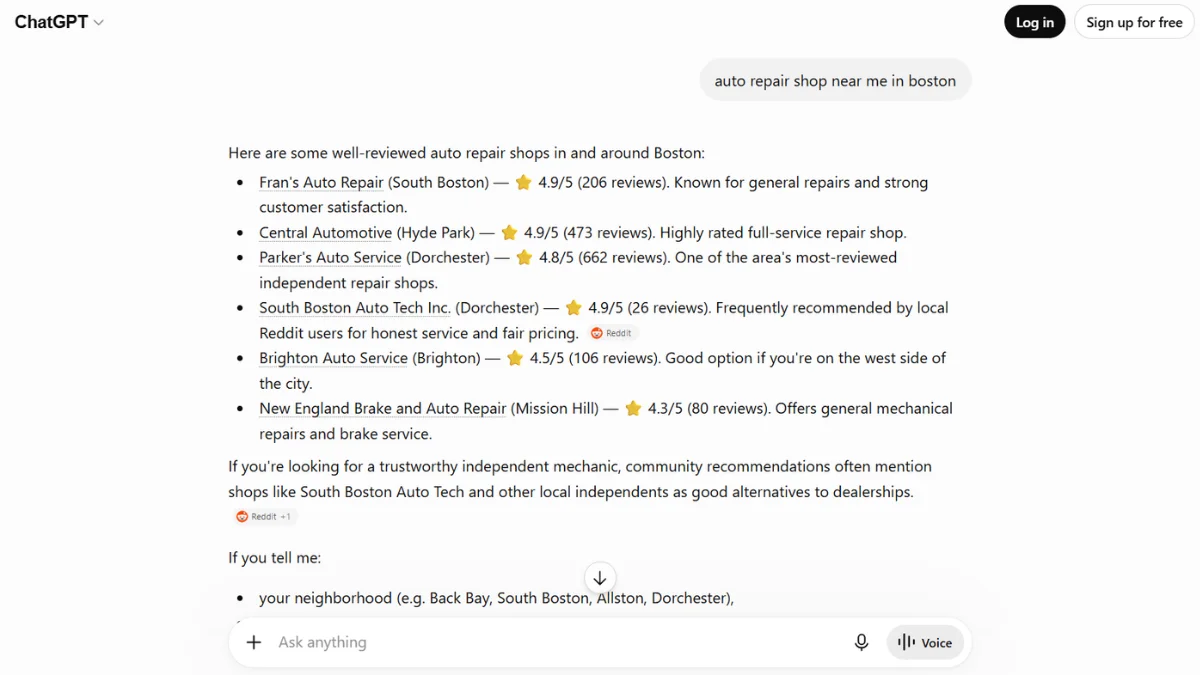
Generative Engine Optimization, or GEO, is defined as the practice of shaping content so AI answer engines can find, interpret, and cite it as a trusted source. Where traditional SEO aimed to rank a page high on a results list, GEO aims to make that page the answer itself, the passage an AI tool pulls into its response and, ideally, credits by name.
A growing share of drivers no longer type a question into Google and scroll through ten blue links. Instead, they ask ChatGPT, Perplexity, Gemini, or Google’s AI Overview a direct question and get one synthesized answer, usually naming two or three sources.
Gartner research found that 35% of Gen Z now uses AI tools as their first stop for research questions, compared to 19% of millennials and 7% of Gen X, meaning the customers walking into your shop in five years are already forming this habit today. If your automotive business isn’t one of the cited sources, you’re invisible in that moment, even if your website ranks well in classic search.
Think of it this way: a traditional search engine works like a librarian pointing you to the right shelf. An AI answer engine works more like a mechanic friend who already read the manual and is telling you what they learned. Your job is to be one of the sources that friend actually read, trusted, and remembered.
Why Does GEO Matter for Auto Repair Shops and Dealerships?
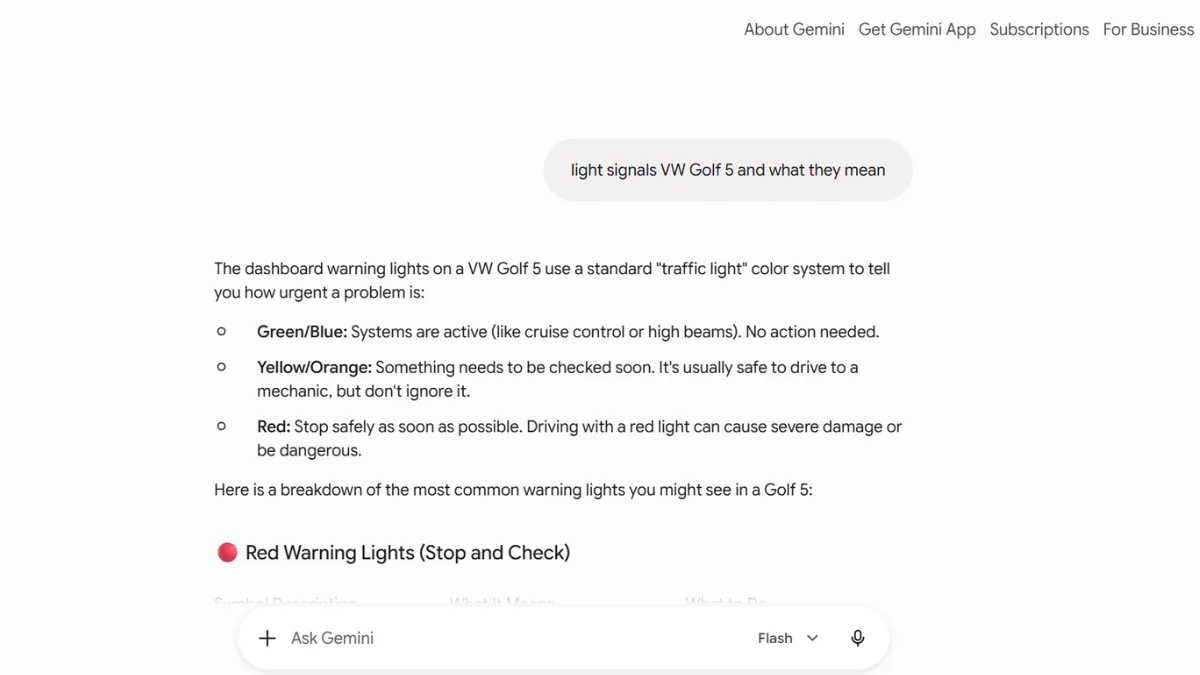
People researching car problems ask very specific, practical questions: “why is my car making a grinding noise when I brake,” “how much does it cost to replace a timing belt,” “is it worth fixing a car with 150,000 miles.” These are exactly the kind of direct questions AI answer engines are built to handle.
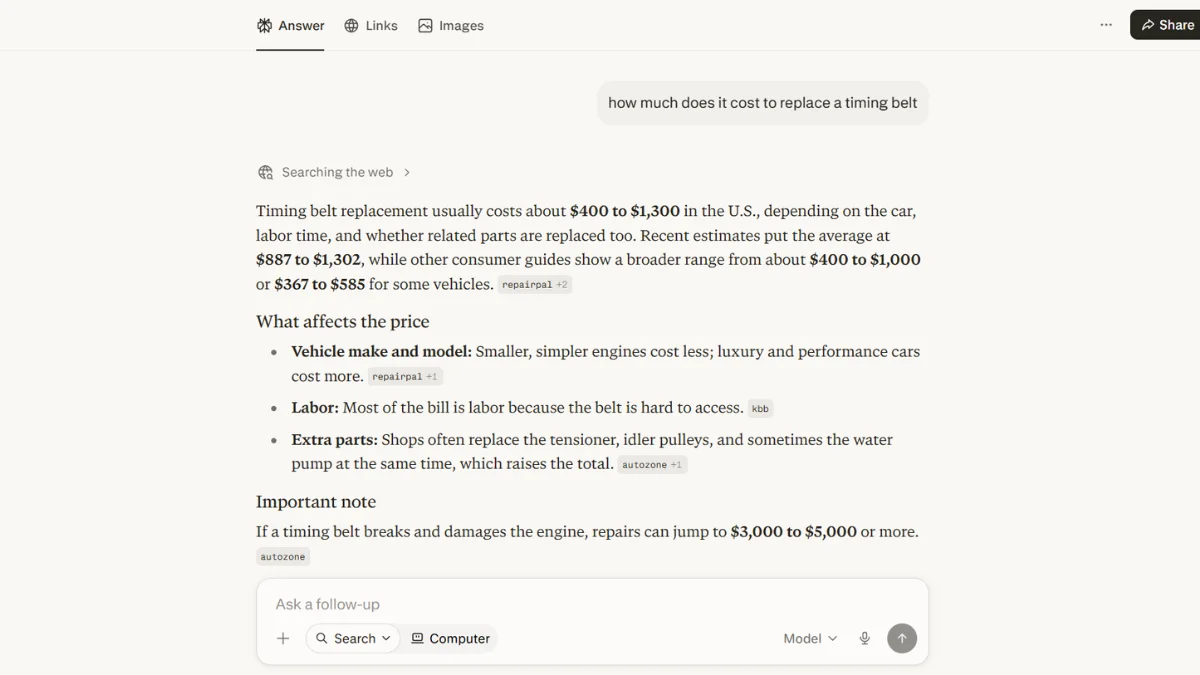
If a competitor’s website answers these questions clearly and specifically, and yours doesn’t, the AI will likely quote them and skip your shop entirely, even if you’re closer, cheaper, or more experienced. Search Engine Land research notes that Google AI Overviews now appear in at least 16% of all searches, with a significantly higher share for comparison and high-intent queries, the exact category most automotive searches fall into (“best mechanic near me,” “brake job cost,” “should I repair or replace”). Showing up in these AI answers is quickly becoming as important for a repair shop as showing up in Google Maps.
How Is GEO Different from SEO for an Automotive Business?
GEO and SEO share the same foundation: clear, authoritative, well-structured content, but they optimize for different outcomes. The table below breaks down the practical differences for an automotive business owner.
| Traditional SEO | GEO | |
|---|---|---|
| Goal | Rank high on a results page | Get quoted directly inside an AI answer |
| Success looks like | A visitor clicks through to your site | An AI names your shop as the answer, even without a click |
| Content style | Keyword-focused, built for scanning | Question-and-answer focused, built for quoting |
| What it rewards | Backlinks, page authority, keyword placement | Specific facts, clear structure, named credentials |
| Where it’s measured | Search rankings, click-through rate | AI referral traffic, brand mentions across the web |
Research from Princeton, Georgia Tech, and IIT Delhi found that GEO-optimized content achieves 30% to 115% higher visibility in AI-generated answers compared to unoptimized content, a gap large enough that a small automotive business can meaningfully out-compete a bigger, better-funded rival simply by writing more clearly.
The core tips, explained simply
1. Answer the exact question people are asking, right at the top
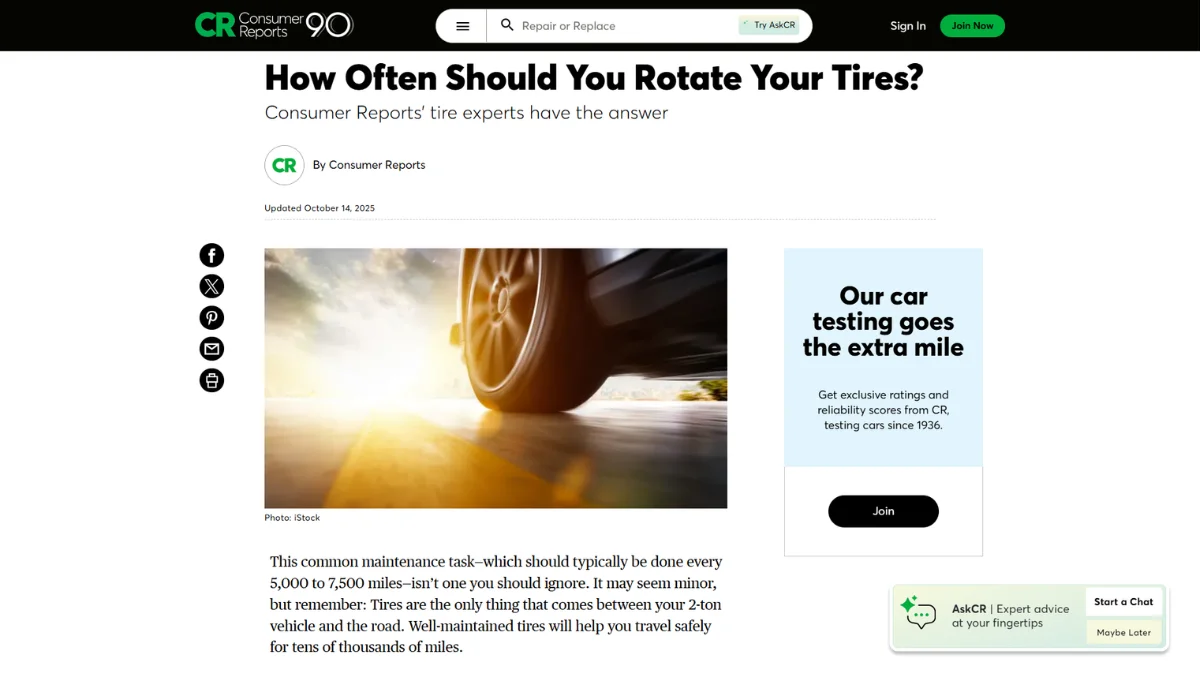
Answer the exact question at the very top of the page, before any other detail. If someone asks “how often should I rotate my tires,” don’t open with three paragraphs about your shop’s history, open with the direct answer: most vehicles need tire rotation every 5,000 to 7,500 miles. Explain the reasoning underneath, in the second or third sentence, not the first.
A simple test: write your page like you’re answering a text message from a friend, not like you’re writing a brochure. AI tools are built to lift a short, self-contained passage and reuse it, so every key sentence on your page should make sense even if a reader (or an AI) sees it completely out of context.
2. Use real questions as your headings
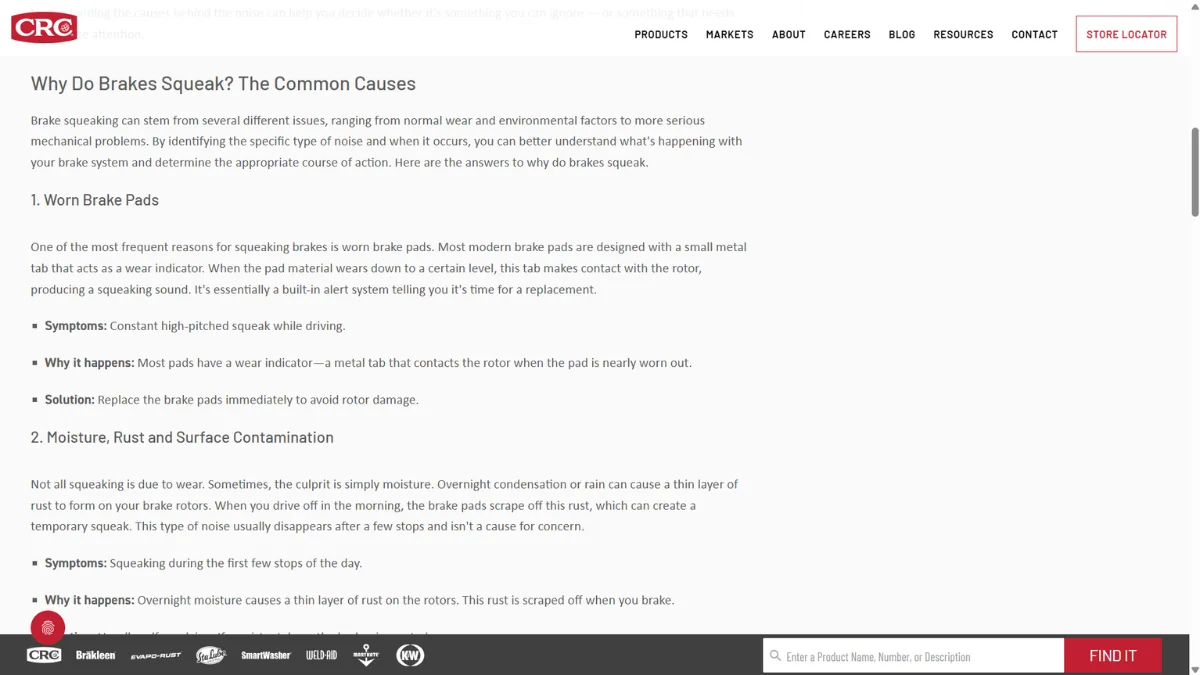
Yes. Instead of a heading like “Brake Services,” use “Why Are My Brakes Squeaking?” or “How Much Does a Brake Job Cost?” AI answer engines work largely by matching a user’s question to the closest available answer on the web, so a heading phrased as a real question makes that match far easier. It also helps a human visitor scanning your site on their phone in a parking lot.
3. Build an FAQ section on every important page
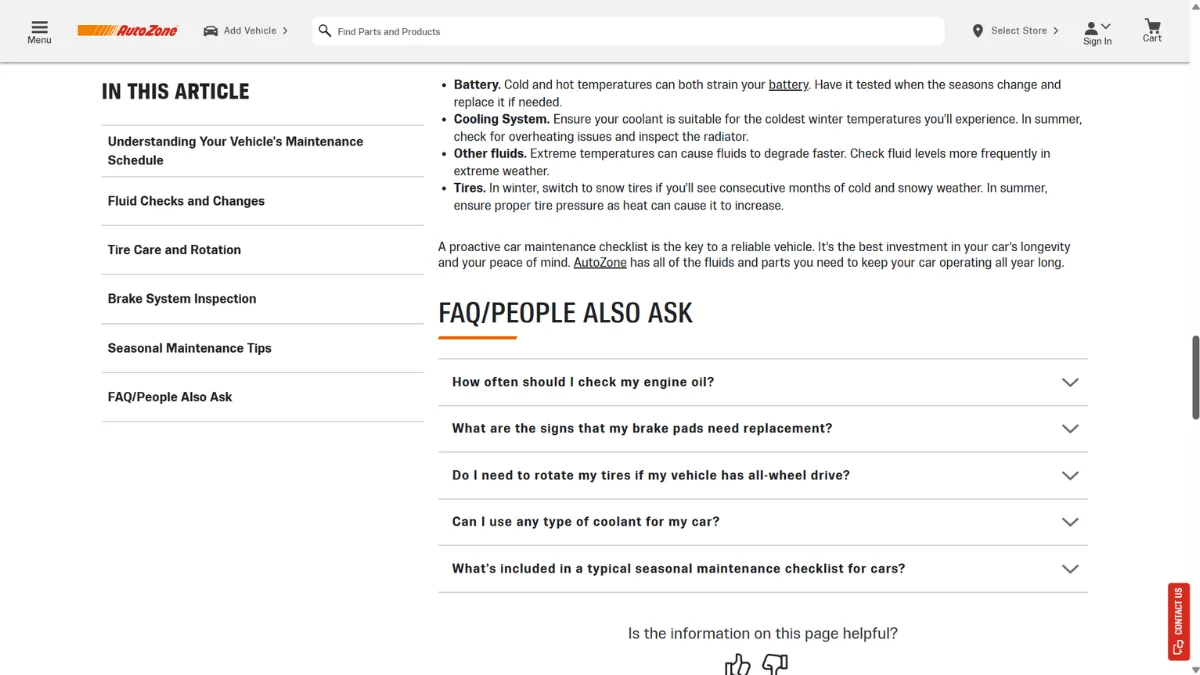
A short FAQ block at the bottom of a service page, blog post, or even your homepage is one of the single most effective things an automotive business can do for GEO. List five to eight real questions customers ask at the counter or over the phone, and answer each one in two to three plain sentences. This one habit does more for AI visibility than almost anything else on this list, because it hands the AI engine a ready-made, question-shaped answer.
4. Be specific with numbers, prices, and timeframes
Vague content gets skipped; specific content gets quoted. Instead of “our oil changes are affordable,” write “our standard oil change starts at $45 and takes about 30 minutes.” AI tools are built to favor concrete, checkable facts over marketing language, and so are your customers. Aim to include a genuine number, price range, or timeframe in nearly every section: mileage intervals, repair costs, appointment lengths, warranty periods.
5. Show who is behind the information
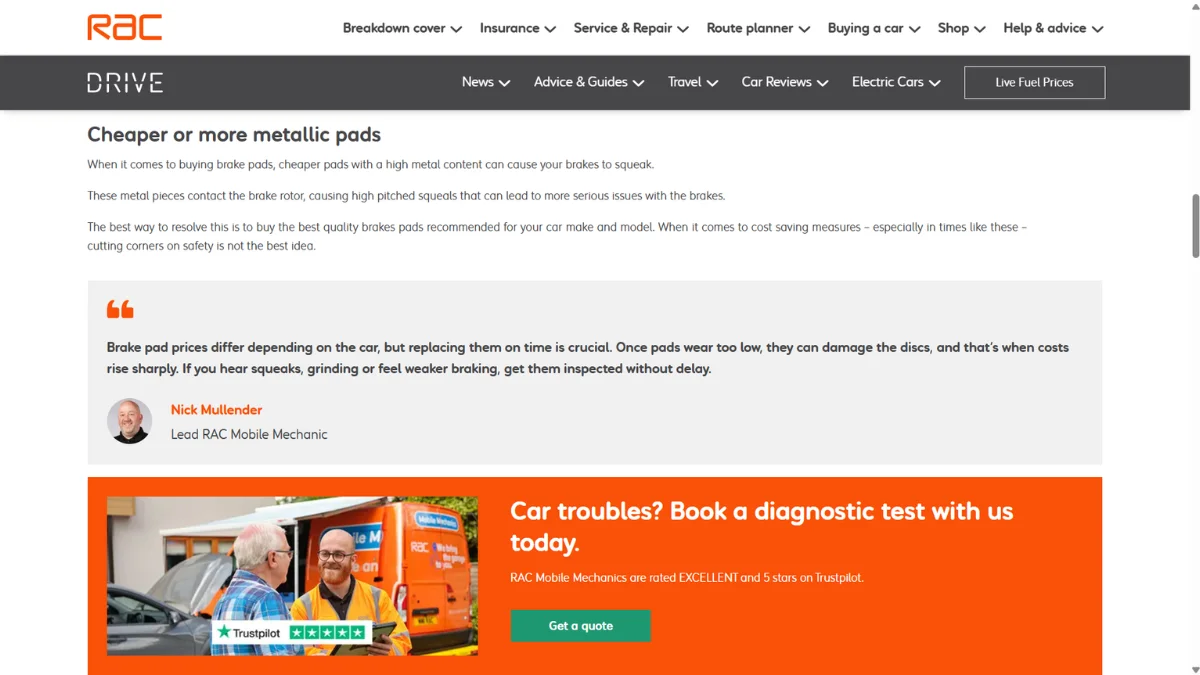
AI systems, like people, trust content more when a real, qualified person or business stands behind it. Include the name and background of the mechanic, service advisor, or owner who contributed to a page. A line like “reviewed by Mike Alvarez, lead technician with 15 years of experience in transmission repair” adds a genuine credibility signal that a generic “our team” byline doesn’t.
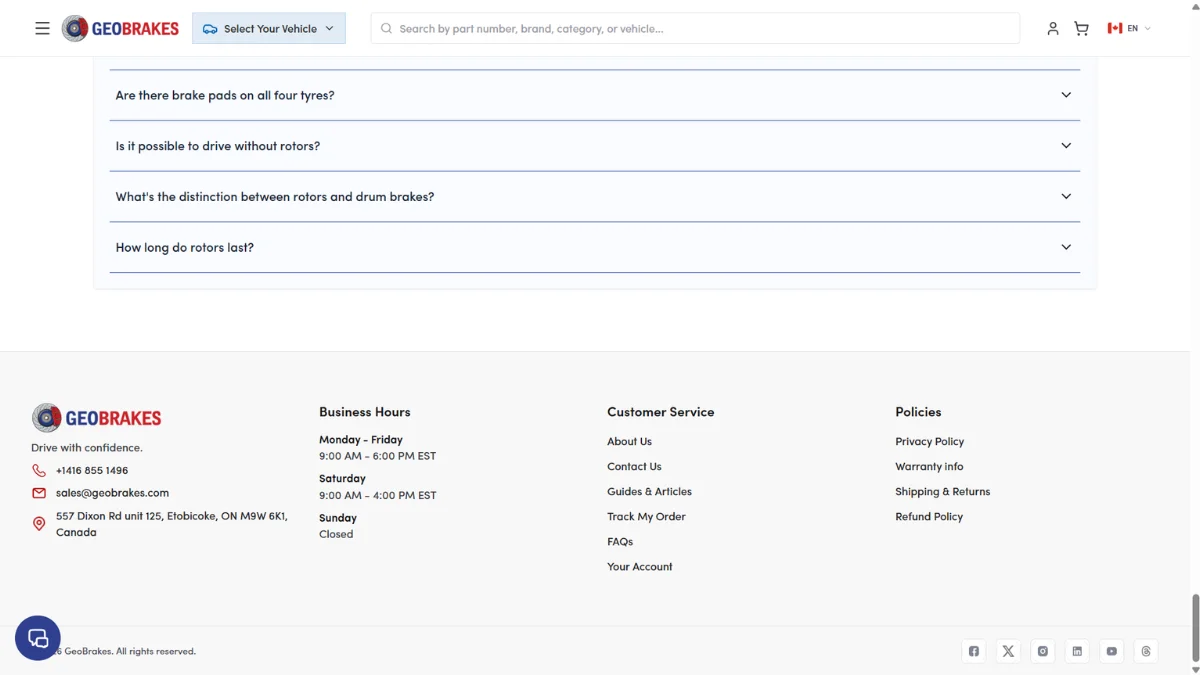
6. Keep your business information identical everywhere online
Your business name, address, phone number, and hours need to match exactly across your website, Google Business Profile, Yelp, Facebook, and any directory listing you appear in. Even a small inconsistency: “St.” in one place, “Street” in another, can confuse the systems that verify your business is real, current, and trustworthy, which in turn affects whether an AI tool is willing to cite you.
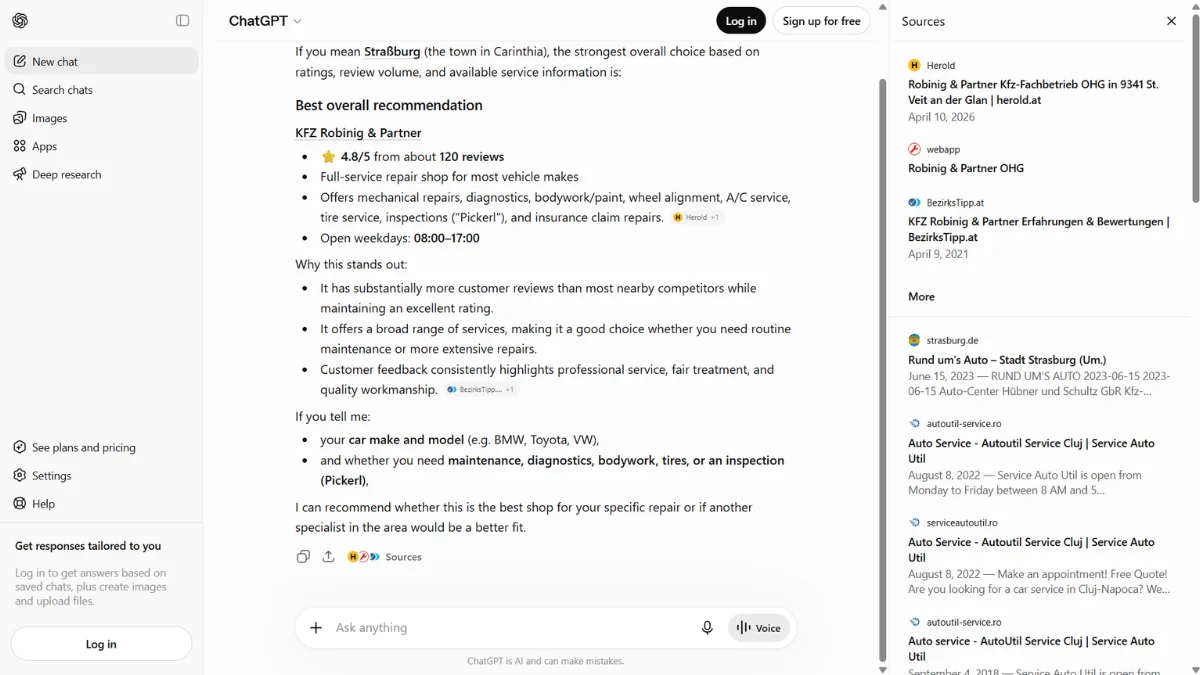
7. Get mentioned and reviewed on other sites, not just your own
AI tools weigh how often a business is mentioned across the entire web, not just what the business says about itself on its own site. Encourage customers to leave detailed reviews on Google and industry-specific sites. Reach out to local news outlets, community forums, or automotive blogs for a mention or feature. Every credible outside mention adds evidence that your shop is legitimate and worth recommending, and this off-site reputation increasingly matters as much as your own website’s content.
8. Write for the beginner, not the expert
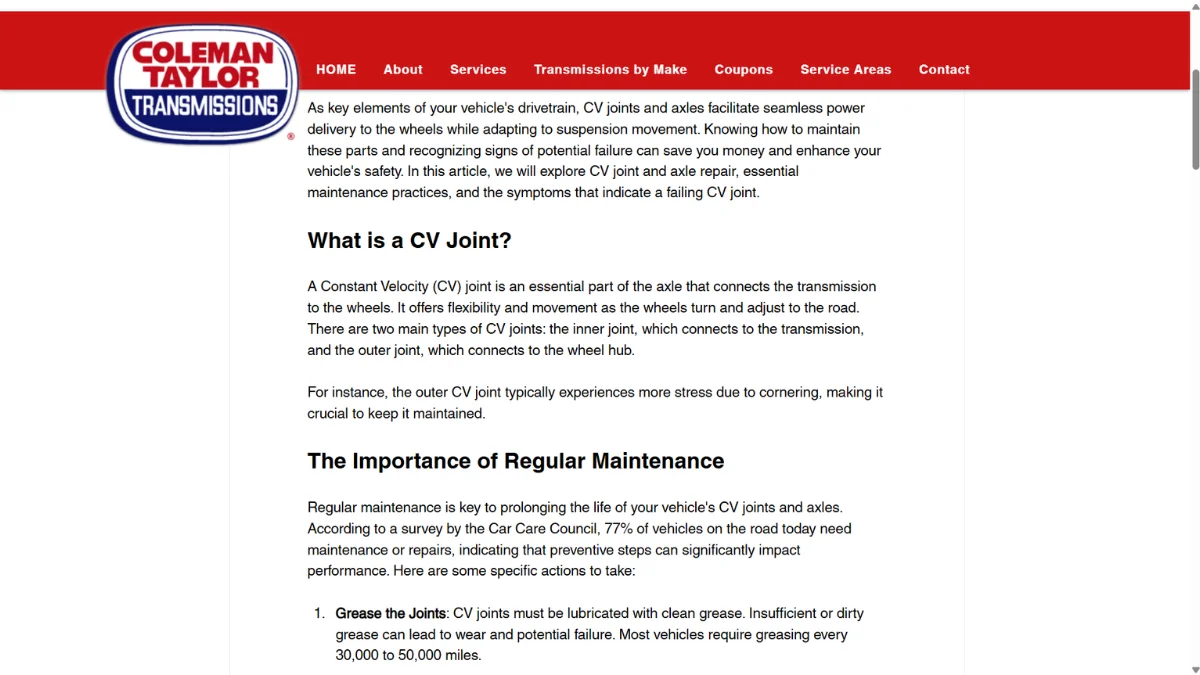
Write for the beginner. Most people searching for automotive help aren’t car experts: that’s exactly why they’re searching. Avoid jargon, or explain it immediately when you use it. If you must use a technical term like “CV joint,” follow it with a plain explanation: “the part that connects your wheels to the drivetrain and lets them turn smoothly.” AI tools tend to favor content that’s accessible to a general audience, because that’s who they’re usually answering.
9. Keep your content current
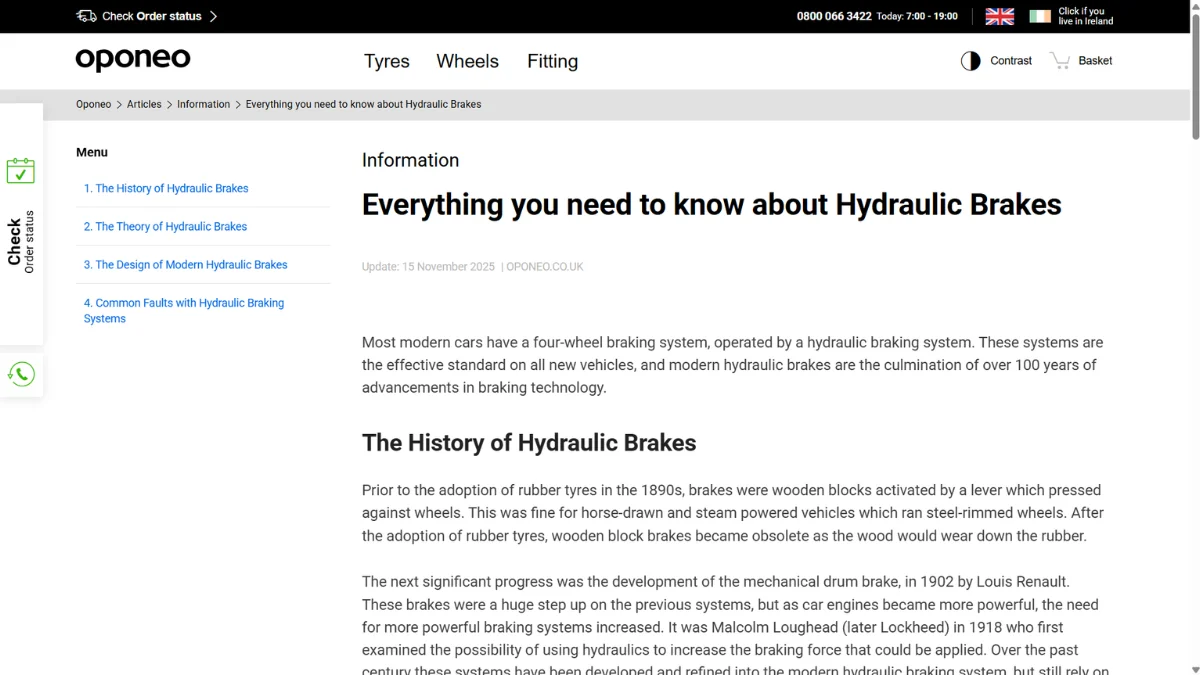
Review your key service pages every few months. Prices, services, and even common car issues change over time, and a page that hasn’t been touched in three years signals to both readers and AI systems that the information may be outdated. Adding a visible “last updated” date and a specific reference point, like “as of Q3 2026”, helps both AI tools and human readers trust that what they’re seeing is current.
10. Use simple structured formatting
Use clear H2 and H3 headings, short paragraphs of two to four sentences, and bullet points or numbered lists wherever it makes sense. Break up long blocks of text. This isn’t a technical requirement, you don’t need to know any code to do it, and it helps human visitors just as much as it helps AI tools.
Common GEO Mistakes to Avoid
- Burying the answer under sales language. Leading with “Welcome to the best auto shop in town” pushes the useful content down the page, and an AI tool may skip past it entirely.
- Writing one giant page for everything. A single page trying to cover brakes, oil changes, and tire rotations at once dilutes your relevance for any one topic. Give major services their own focused page.
- Ignoring your Google Business Profile. This is often the first and most trusted source an AI tool pulls from for local businesses. Keep services, hours, and photos updated there as carefully as on your website.
- Copying competitor content. AI systems are increasingly good at recognizing duplicate or reworded text across the web. Original, specific information from your own shop performs better every time.
How Do I Know If My GEO Efforts Are Working?
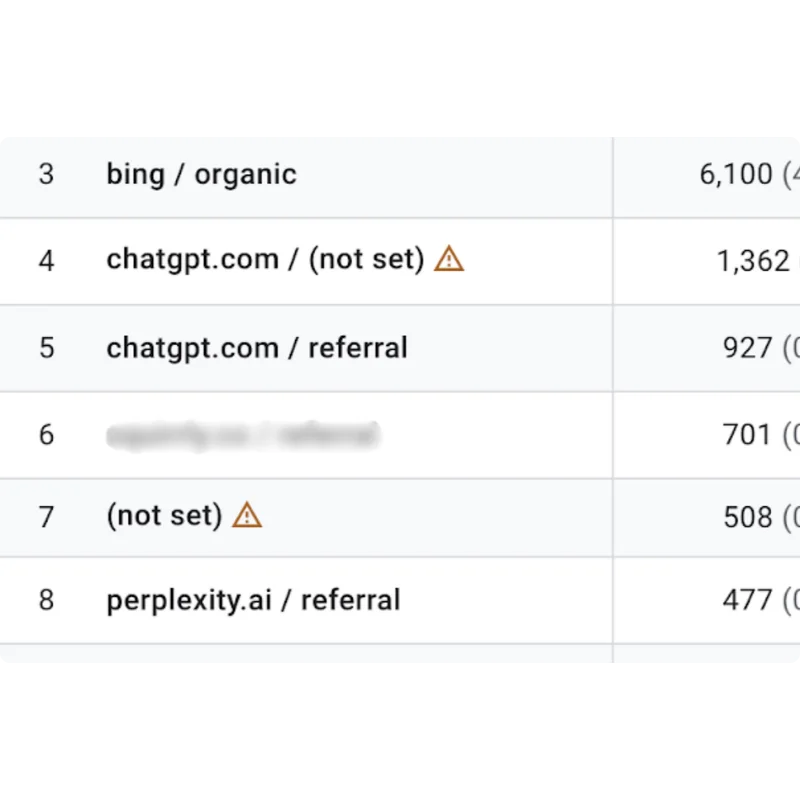
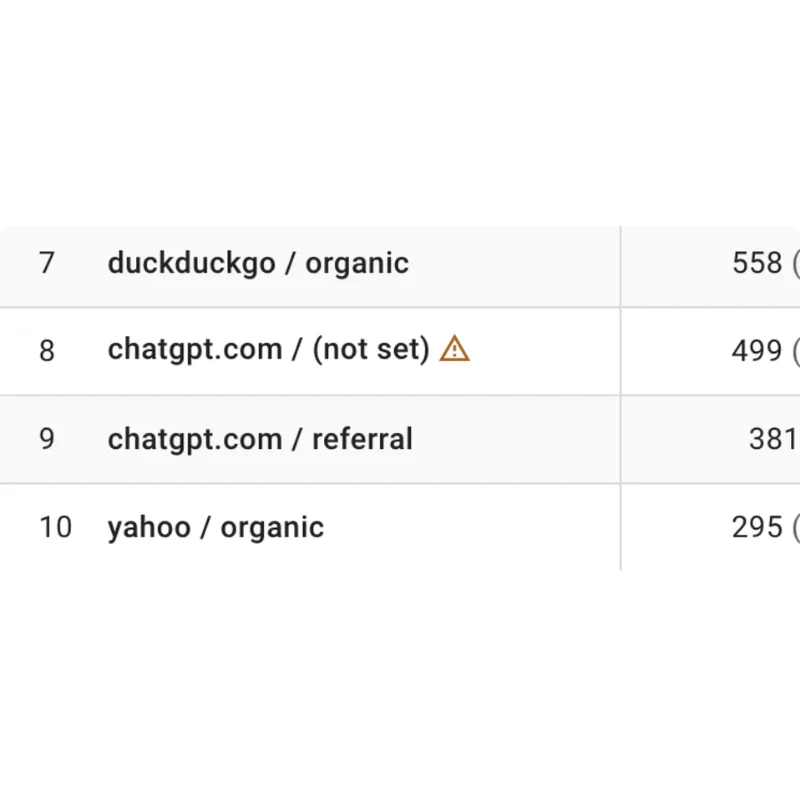
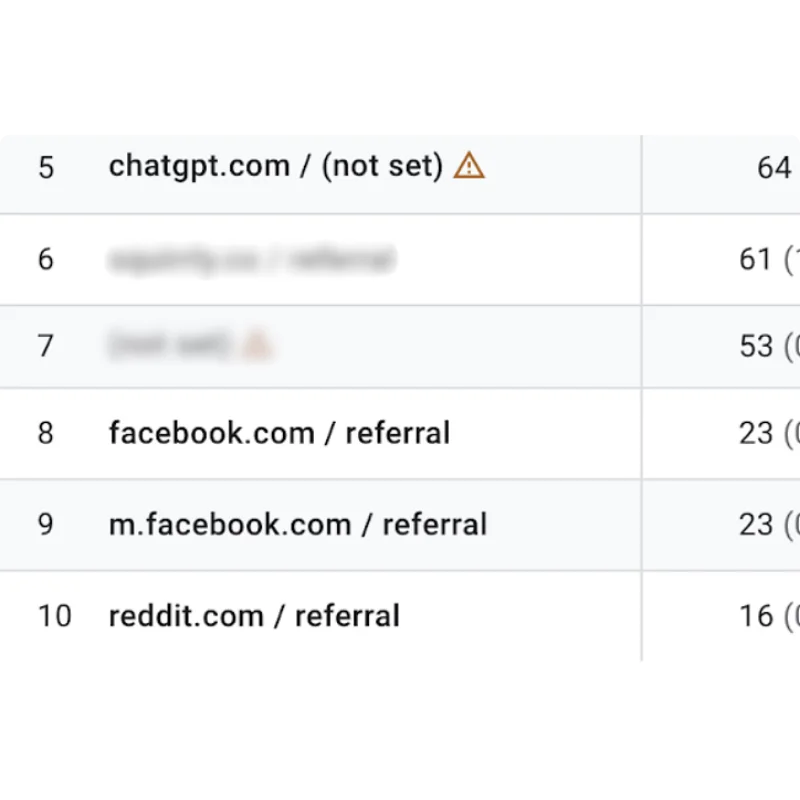
If your website has Google Analytics installed, go to Reports, then Acquisition, then Traffic acquisition. This report breaks down where visitors come from by session source and medium. Look for names like chatgpt.com, perplexity.ai, gemini.google.com, or copilot.microsoft.com in that list. Traffic from these sources means a real person asked an AI tool a question, received your business as part of the answer, and clicked through. That’s direct proof your GEO work is paying off.
Check this report monthly and track the trend line rather than the raw number, early on, AI referral traffic might just be a handful of visits, but consistent growth is the real signal.
Beyond analytics, ask the major AI tools questions a potential customer would ask about your services and area, and see whether your business comes up. Watch for customers saying “an AI told me about you” or “I asked ChatGPT and it recommended you,” and track these mentions the same way you’d track any other referral source.
FAQ: GEO for Automotive Businesses
Do I need a marketing degree or technical team to do GEO? No. GEO for an automotive business mostly requires clear, specific writing and basic page structure. not code or a dedicated technical team.
Is GEO replacing SEO? No. GEO builds on the same foundation as SEO: quality content, technical accessibility, and trust signals, but shifts the focus toward being quoted inside an AI answer rather than only ranking on a results page. Most automotive businesses need both.
Which page should I optimize first? Start with your single most-requested service page: commonly oil changes, brakes, or tire service for a general repair shop, since that page will attract the most direct, high-intent questions.
How long does it take to see AI referral traffic? There’s no fixed timeline, since it depends on how established your site already is and how much content you update. Checking your Google Analytics traffic-source report monthly is the most reliable way to track real progress.
Does GEO help with local searches specifically? Yes. Local, high-intent questions like “brake job cost near me” or “best mechanic for a transmission repair” are exactly the comparison-style queries where AI Overviews and chat tools appear most often, making consistent business information and detailed local content especially valuable.